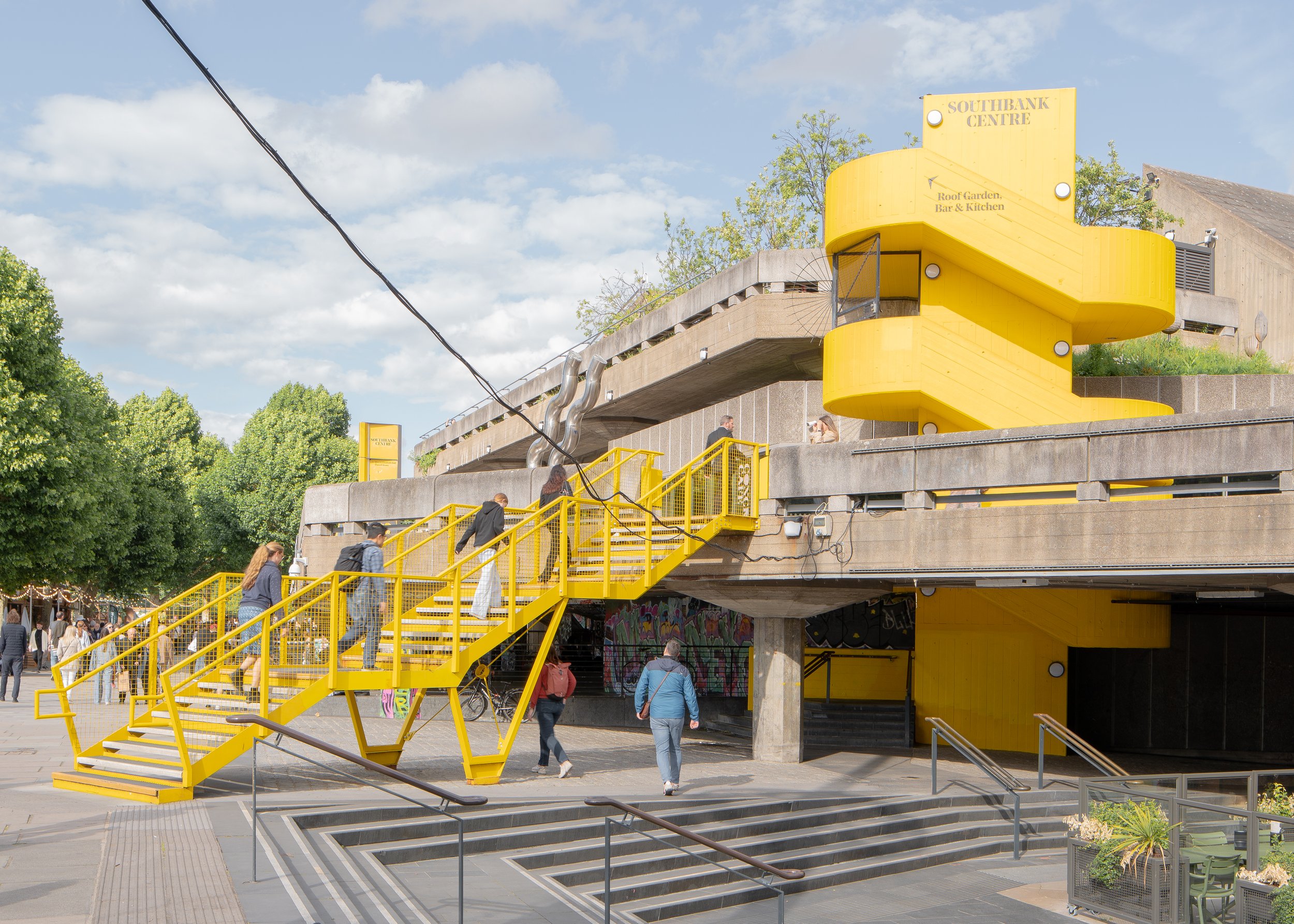
Southbank Centre rises along the Thames as one of London’s most distinctive architectural ensembles. Spending time here with a camera, you quickly realise it’s not just an arts complex — it’s a physical record of post‑war ambition, civic optimism, and the evolving life of the city. The Royal Festival Hall, built for the 1951 Festival of Britain, has long held Grade I status. Now, with the wider complex formally listed, its architectural and cultural significance is finally recognised in full.

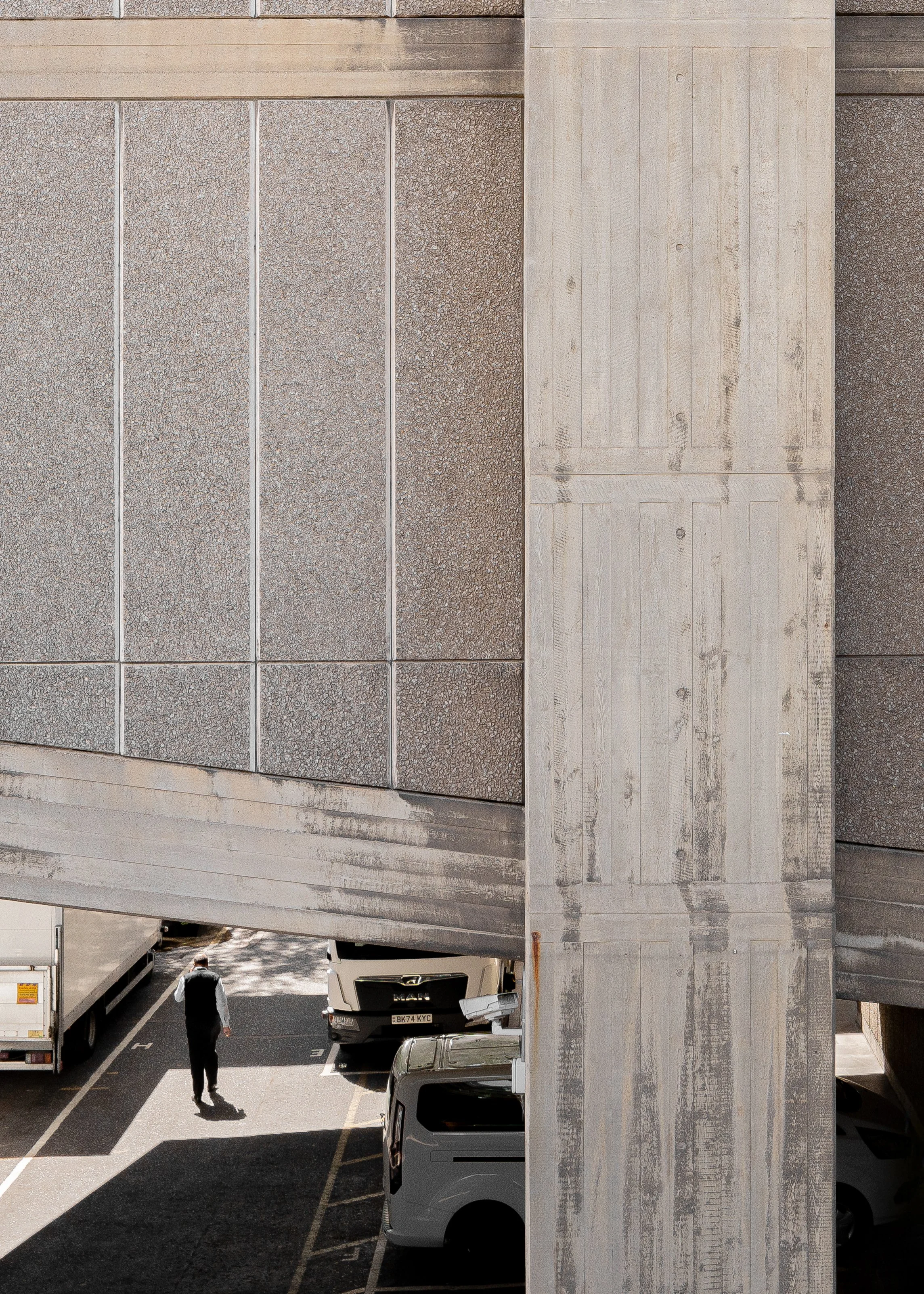
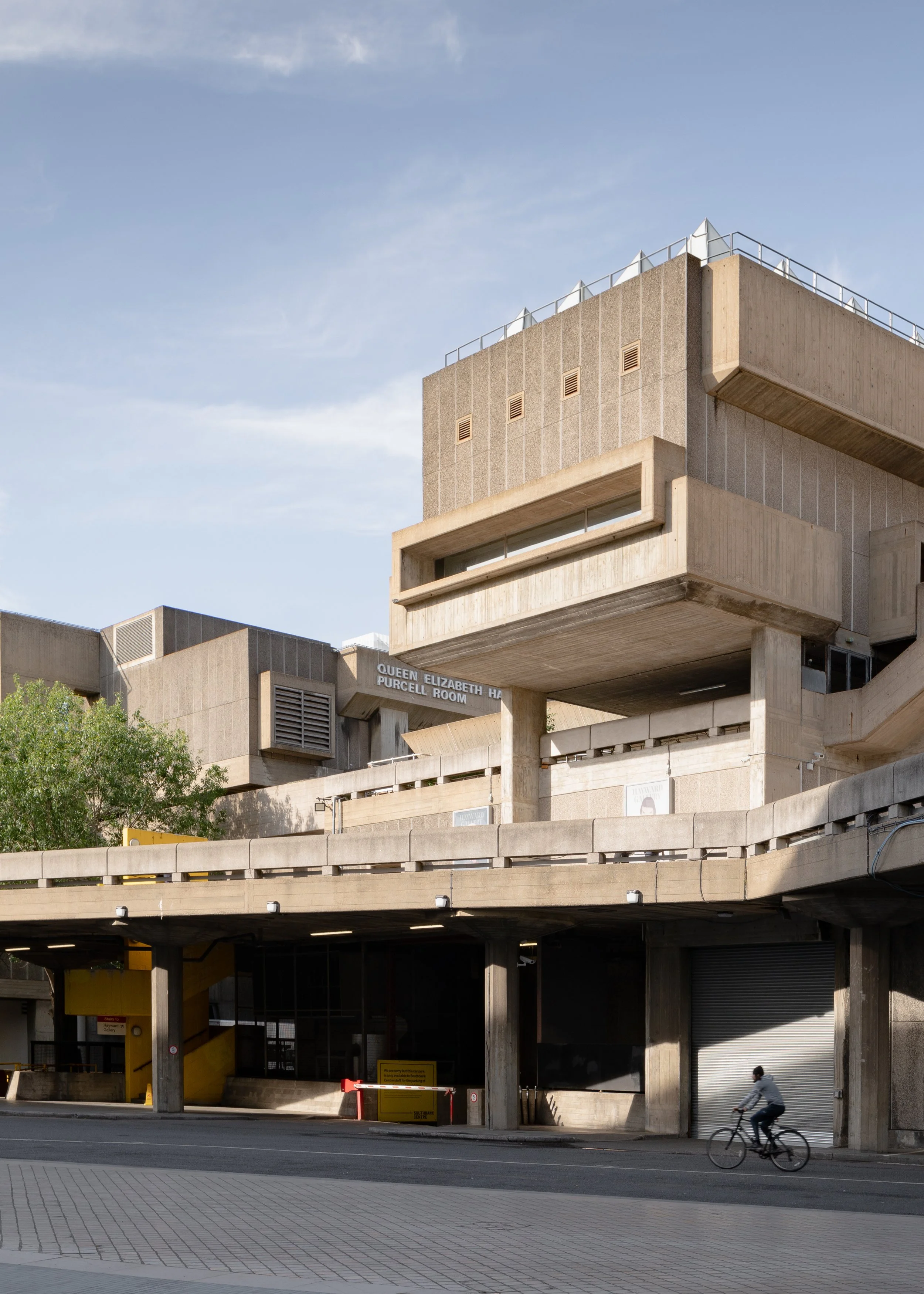
For me, photographing Southbank Centre is about revealing how these structures continue to shape movement, behaviour, and atmosphere decades after their construction. The Queen Elizabeth Hall, Purcell Room, and Hayward Gallery — once debated, now protected — embody a bold modernist vision that has become part of London’s cultural identity. Their exposed concrete, angular geometries, and unapologetically utilitarian forms offer a raw honesty that rewards close observation.

The newly confirmed listed status marks a turning point. It acknowledges what many have argued for years: that these buildings are not relics of a bygone era but vital components of the city’s architectural story. Visual documentation becomes part of that legacy. Images serve as long‑term assets, preserving the character and intent of a site that will now be safeguarded for future generations.

Beneath the Queen Elizabeth Hall, the Undercroft Skate Space continues to thrive — a cultural landmark shaped not by architects but by the people who claimed it. Since the early 1970s, skaters have transformed this leftover concrete void into one of the world’s longest‑running skate spots. Its ledges, pillars, and surfaces bear the marks of decades of movement and creativity. Capturing this space means acknowledging its role in the wider narrative of Southbank: adaptive, lived‑in, and constantly evolving.

Concrete building with multiple levels, stairs, and a poster advertising an art exhibition at Hayward Gallery showcasing a character named Nara.
A man in black clothing standing outside a large concrete building with tall windows, looking at his phone.
A parking lot with concrete walls and a man walking between parked trucks and cars.
Underpass with graffiti-covered walls, people skateboarding, and a blurred bird flying overhead.

Southbank Centre is a polyaspect environment. Its meaning shifts depending on who encounters it. To skaters, it’s a site of expression. To commuters, a familiar backdrop. To visitors, a striking piece of London’s cultural fabric. To audiences, a stage for performance and experimentation. My work aims to hold these perspectives in balance, documenting the architecture not as a static object but as a living framework shaped by the city around it.

The value of photographing Southbank Centre lies in preserving this layered story — the architecture, the subcultures, the civic life, and now its recognised heritage status. These images become part of the site’s long‑term equity, offering a visual record of a place that continues to adapt, provoke, and inspire.

The Queen Elizabeth Hall building, a Brutalist concrete structure, with a person riding a bike on the street in front.