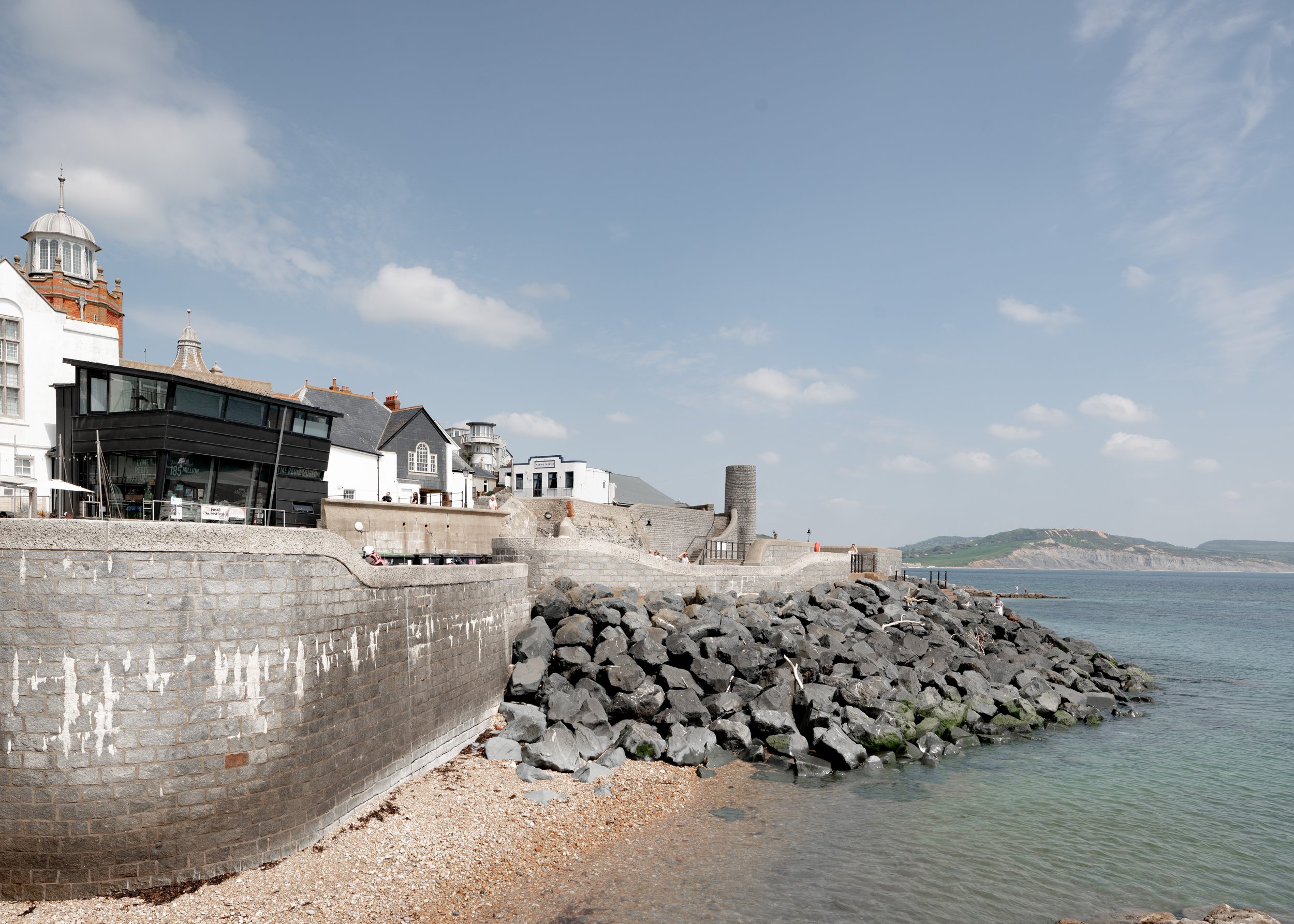
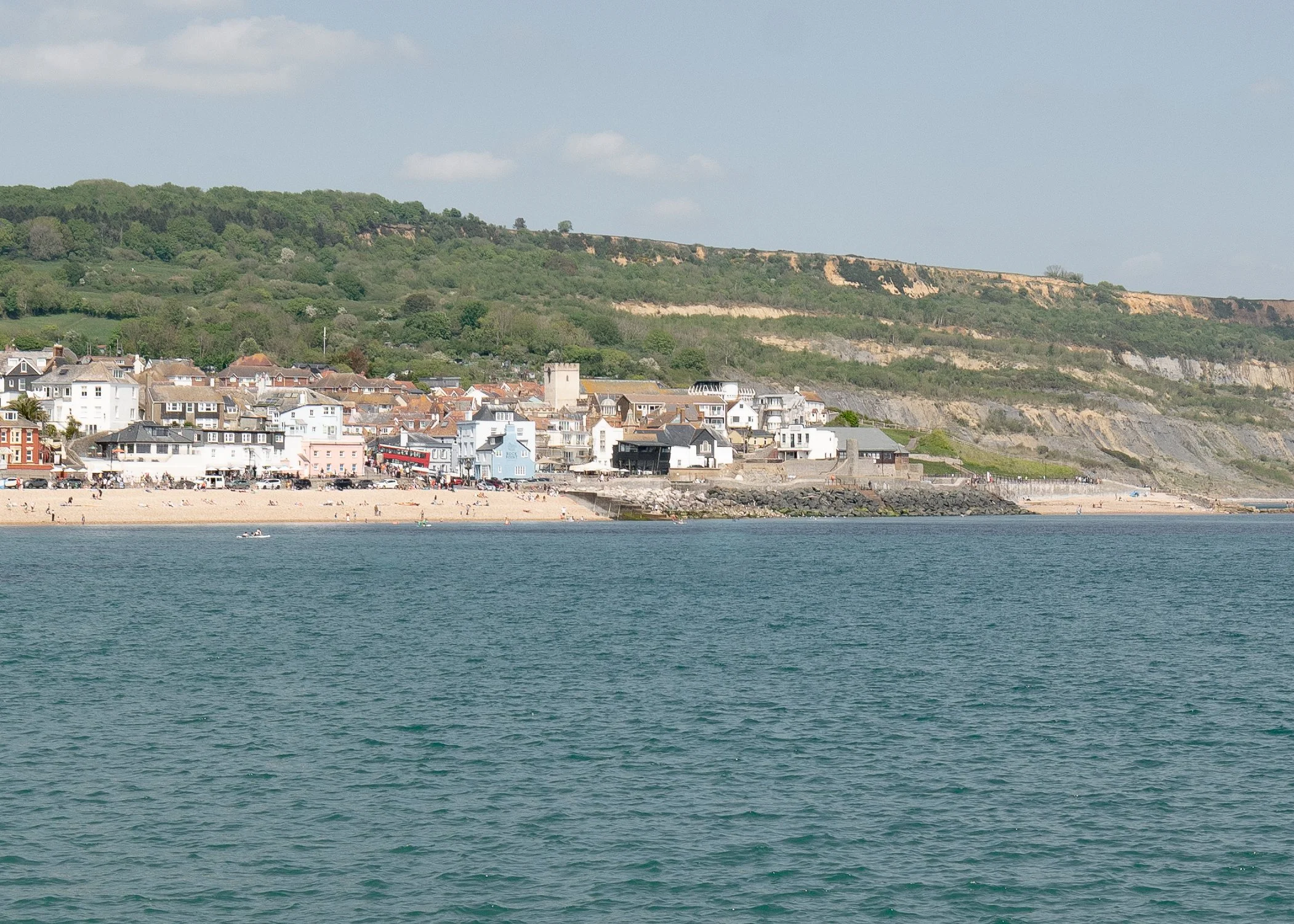
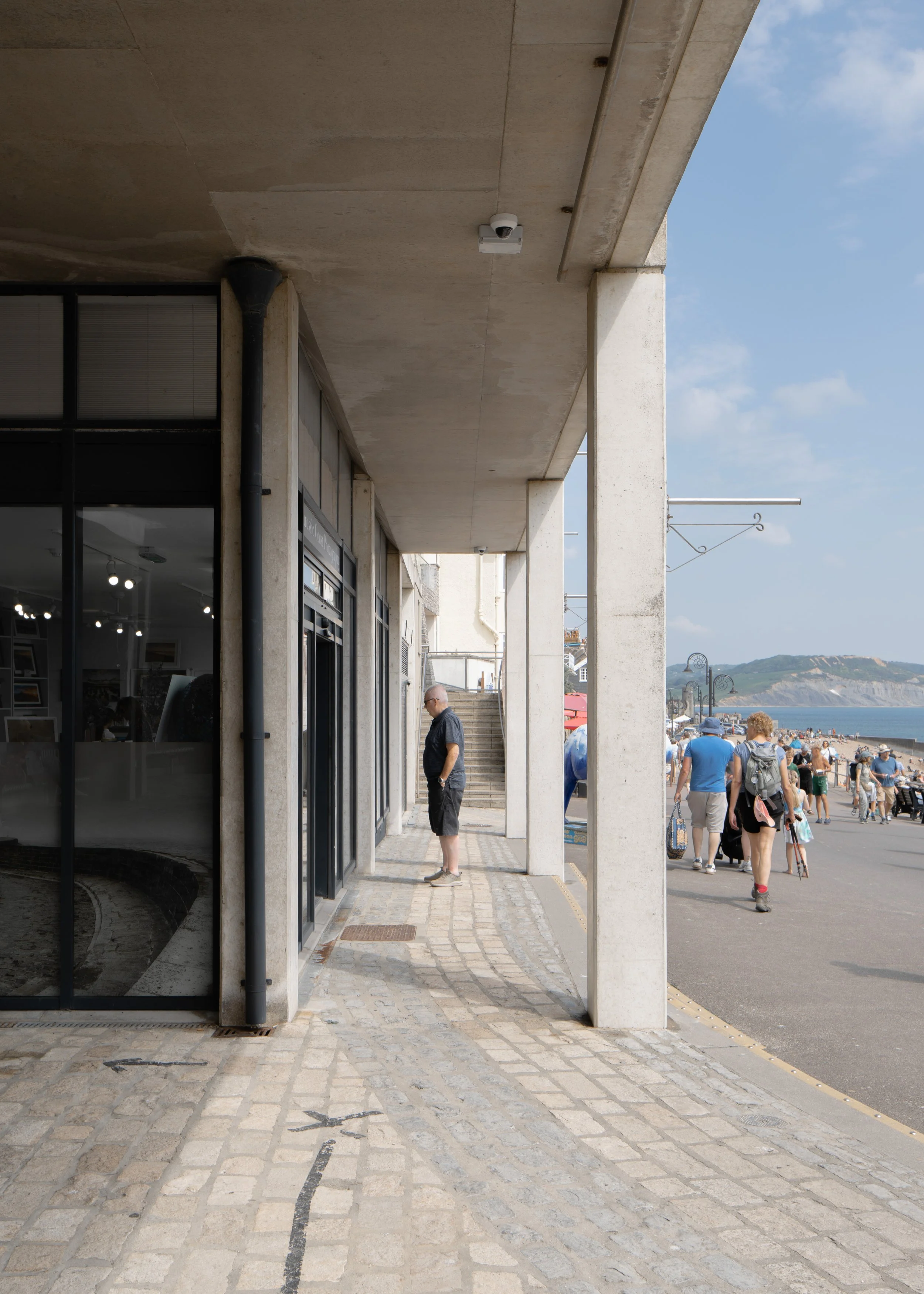
Museums often draw visitors inward, toward controlled narratives and curated artefacts. When I spent time with the Mary Anning Wing at the Lyme Regis Philpot Museum, what struck me was how deliberately it does the opposite. This is architecture that turns the visitor outward, reconnecting the museum with the coastline that shaped its very reason for existing.
As a photographer and filmmaker, my role is to understand what a building is trying to say and translate that into a visual language that endures. With the Mary Anning Wing, the story isn’t confined to the interior. Its value lies in the dialogue it creates between structure and landscape. Capturing that relationship isn’t just documentation; it becomes part of the project’s long‑term equity. These images outlive the build. They become assets that articulate the architectural intent long after the moment of completion.
Designed by Architecton, the wing frames the Jurassic Coast with a quiet precision. Each aperture, each line of sight, is a reminder that the museum’s narrative extends beyond its walls. My task was to reveal how the architecture performs this role — how it guides the eye, how it positions the visitor, how it anchors the museum within its geological context.
Lyme Regis is inseparable from its paleontological heritage. The cliffs that shaped Mary Anning’s discoveries continue to shape the town’s identity today. The wing acknowledges this by directing attention outward, encouraging visitors to read the coastline as part of the museum’s story. Visual assets that capture this relationship don’t just show a building; they preserve the idea behind it.
For me, the value of photographing a project like this lies in distilling its intent. The Mary Anning Wing isn’t simply an extension; it’s a reframing device. It invites visitors to experience history through both artefact and environment. My images aim to hold that experience in time — to create a lasting record of how architecture can shape perception, place, and memory.